

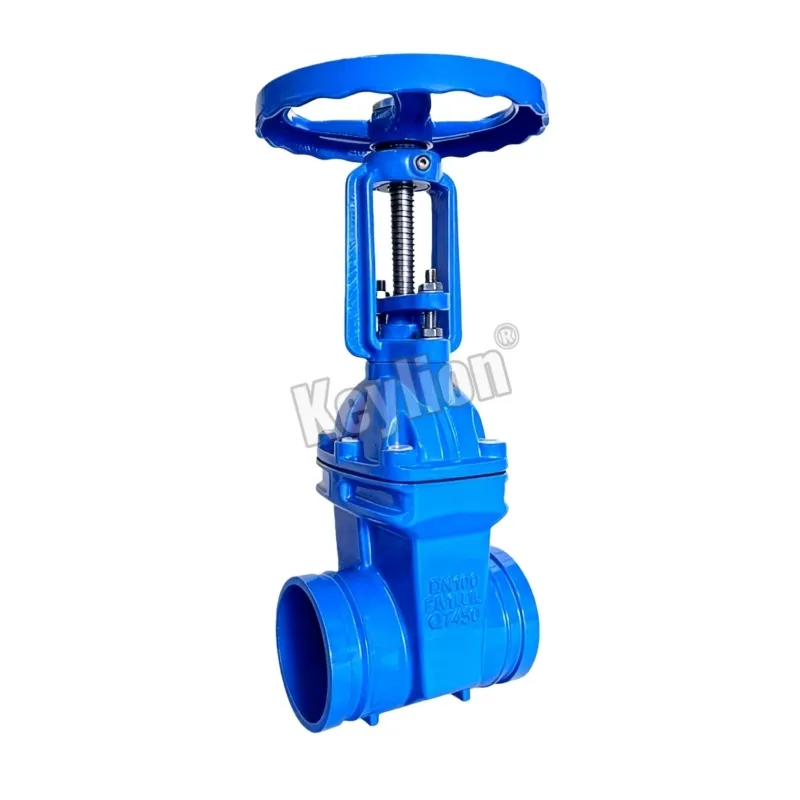


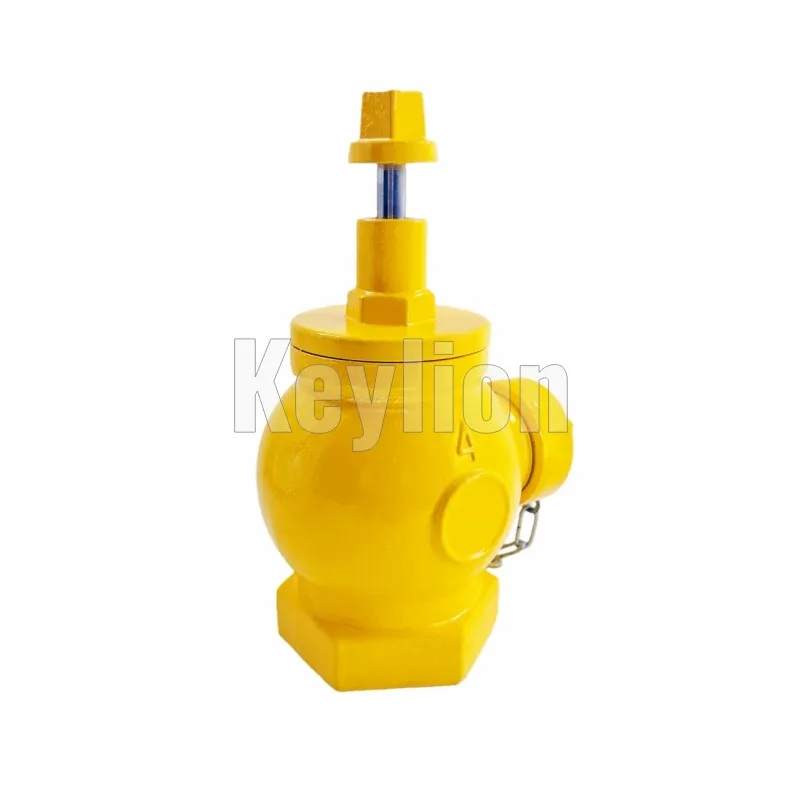


Foot Valve
Your Reliable Foot Valve Supplier
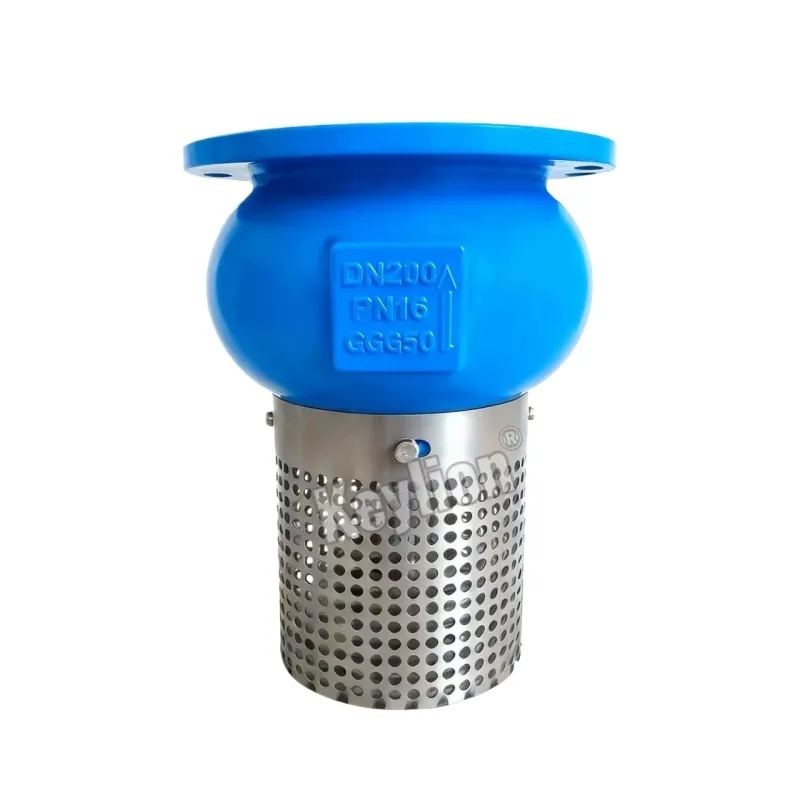
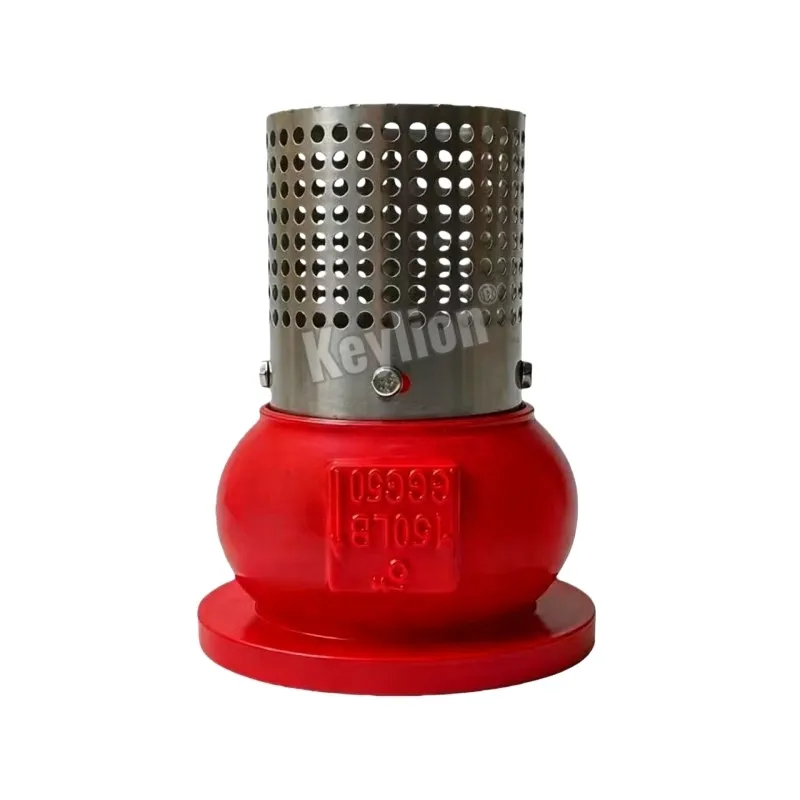
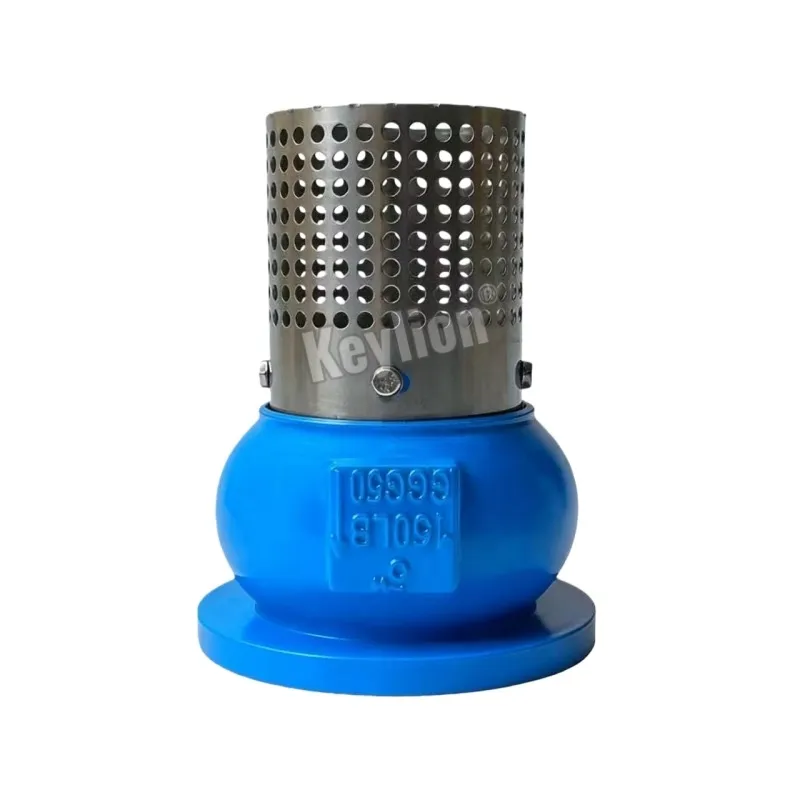
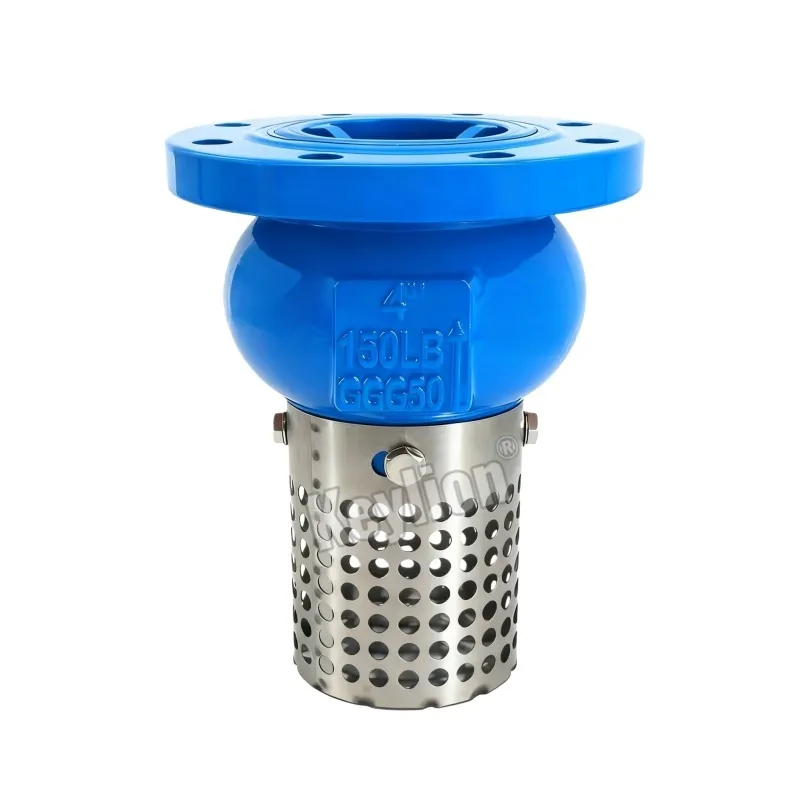
Foot valves are non-return valves installed at the suction end of pump systems, designed to prevent backflow, maintain pump priming, and protect equipment from dry running, ensuring stable and efficient fluid transfer.




General Technical Specifications
|
Parameter |
Specification |
|
Size Range |
2” – 12” (DN50 – DN300) |
|
Pressure Rating |
PN10 / PN16 / PN25 |
|
Connection Type |
Flanged (ANSI / DIN / BS) |
|
Body Material |
Ductile Iron QT450-10 |
|
Strainer Material |
Stainless Steel 304 |
|
Disc Material |
Ductile Iron with EPDM |
|
Stem Material |
Stainless Steel 304 |
|
Seal Material |
NBR / EPDM |
|
Working Medium |
Water / Sewage |
|
Operating Temperature |
0°C – 80°C |
Instant Priming & Zero Backflow
Precision-machined non-return mechanism seals tightly under backpressure, holding fluid in the suction line to maintain pump prime and prevent dry running.
Heavy-Duty Clog Protection
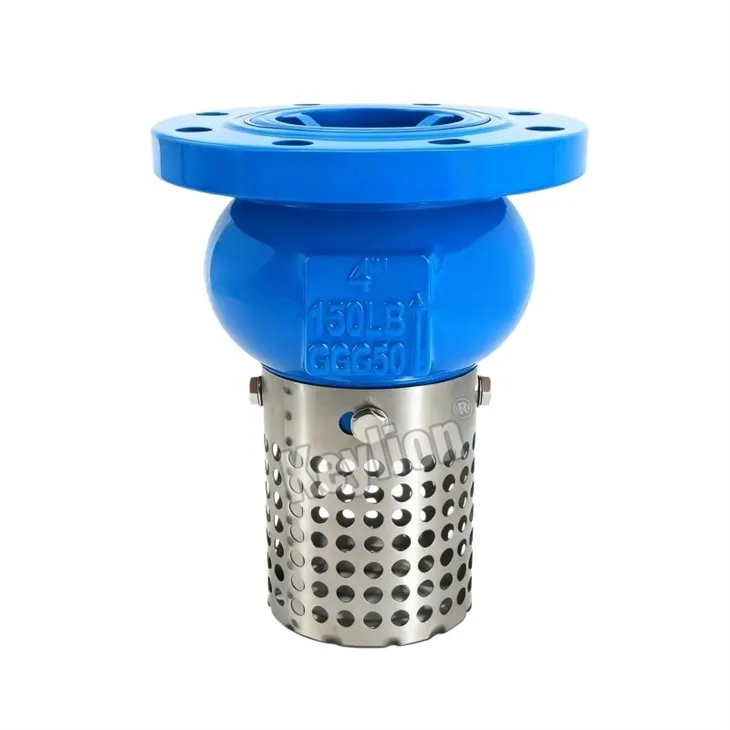
Integrated stainless steel or ductile iron strainer screens out large debris and solids while maintaining maximum flow area to minimize pump cavitation.
Low Fluid Resistance
Optimized internal flow cavity minimizes hydraulic friction and head loss, ensuring high flow efficiency during continuous pumping operations.
Flanged Foot Valve
Designed for secure installation in large pipeline systems with stable sealing performance.
Foot Valve with Strainer
Integrated filtration structure prevents clogging and protects downstream equipment.
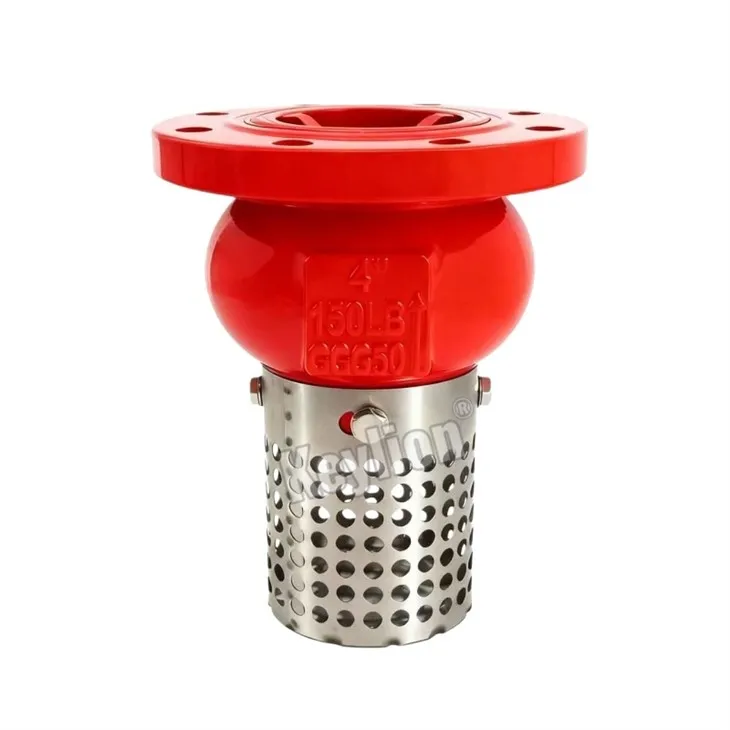
Stainless Steel Foot Valve
Suitable for corrosive environments or higher hygiene requirements.
Customization Options
We provide OEM & ODM customization based on application and system requirements:
Customized size, pressure rating, and connection standards
01
Optional stainless steel internal components
02
Special materials for corrosive or abrasive environments
03
Strainer mesh size customization
04
Branding, marking, and packaging customization
05
Quality & Compliance
Manufactured under ISO 9001 quality management system
Pressure and sealing performance tested before delivery
Material traceability for key components
Inspection of strainer integrity and sealing performance
Compliance with international standards (ANSI / DIN / BS)
Optional third-party inspection (SGS, BV, Intertek)
Packaging & Logistics
Standard export packaging (wooden cases, pallets)
Moisture-proof and anti-corrosion protection
Flexible shipping methods (sea, air, express)
Delivery coordination to meet project timelines