






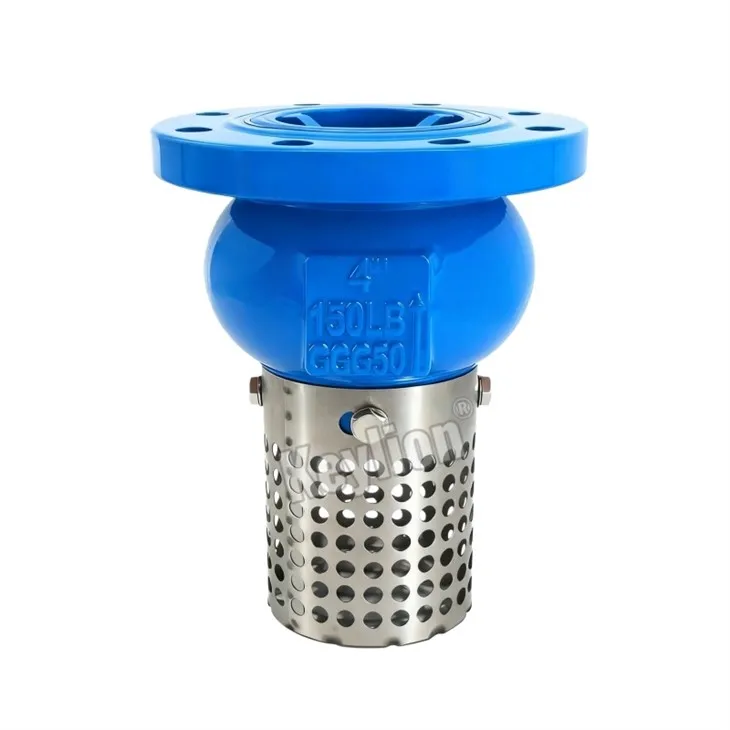


Foot Valve Flange Type
Product Introduction
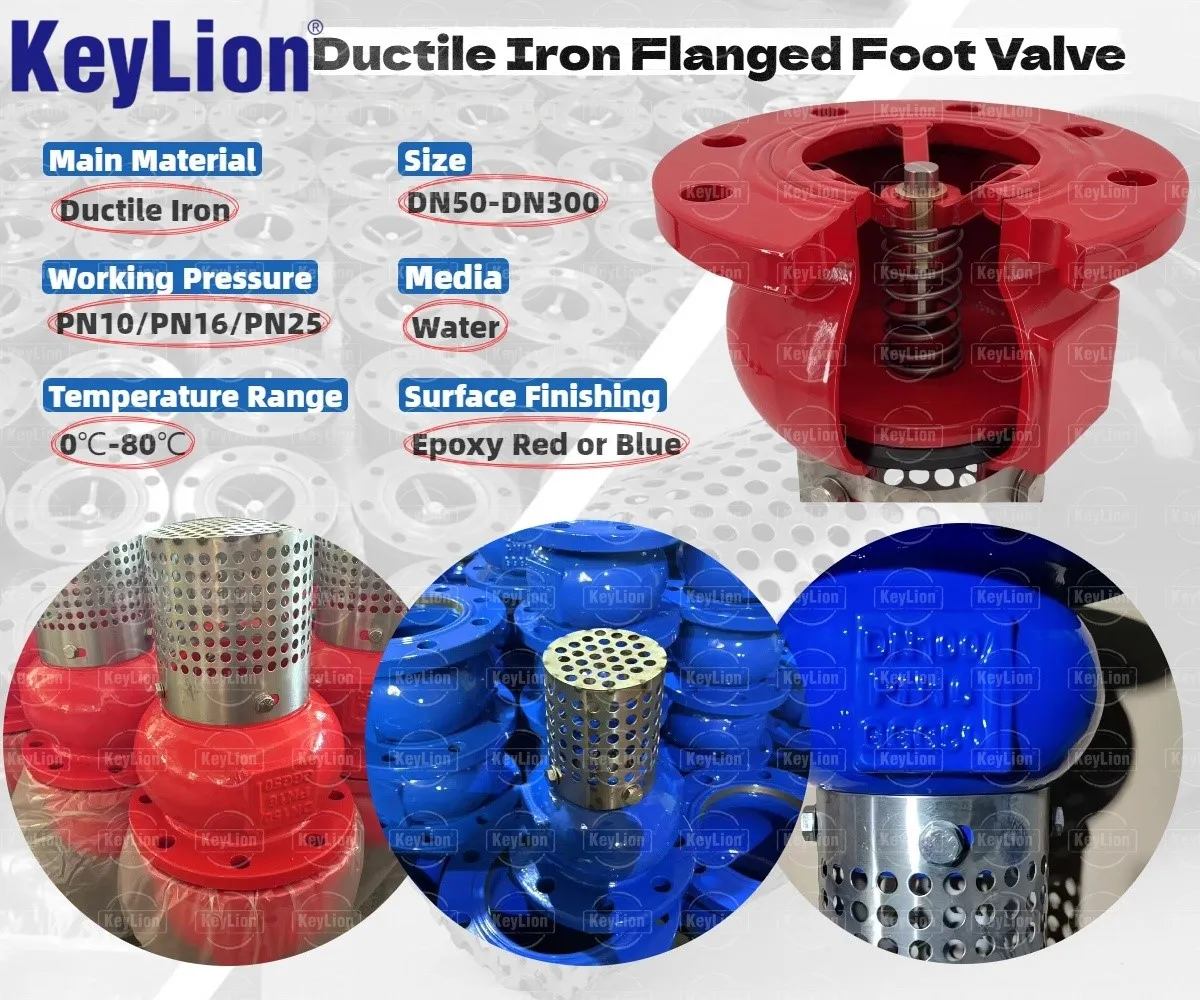
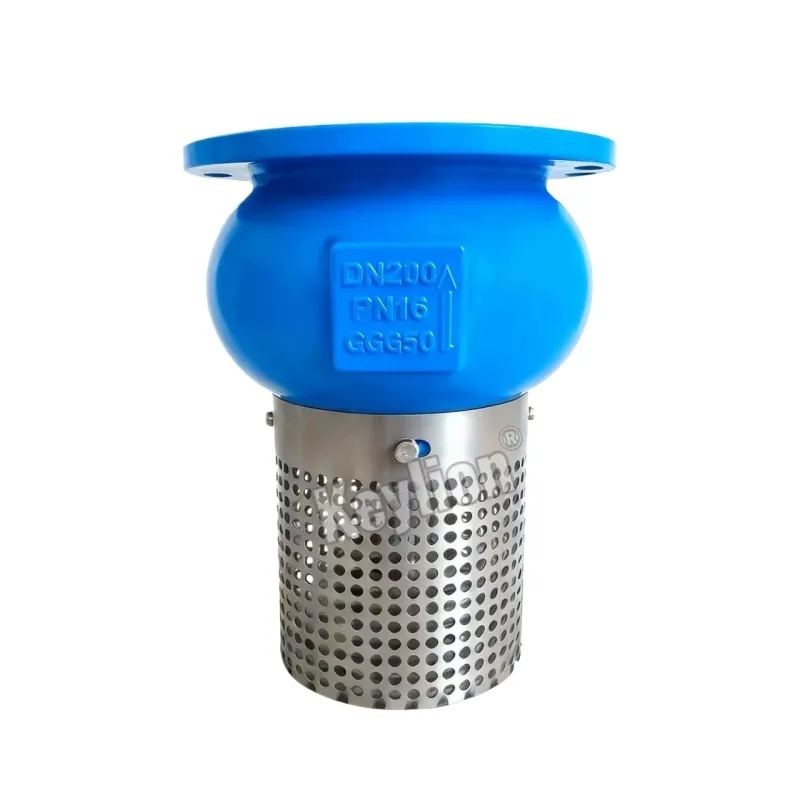
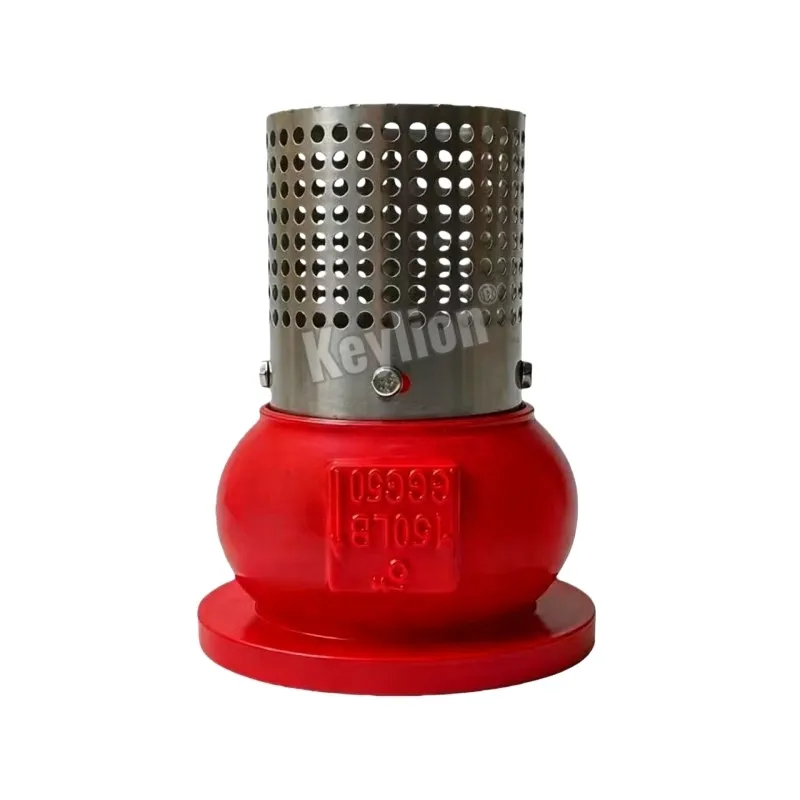
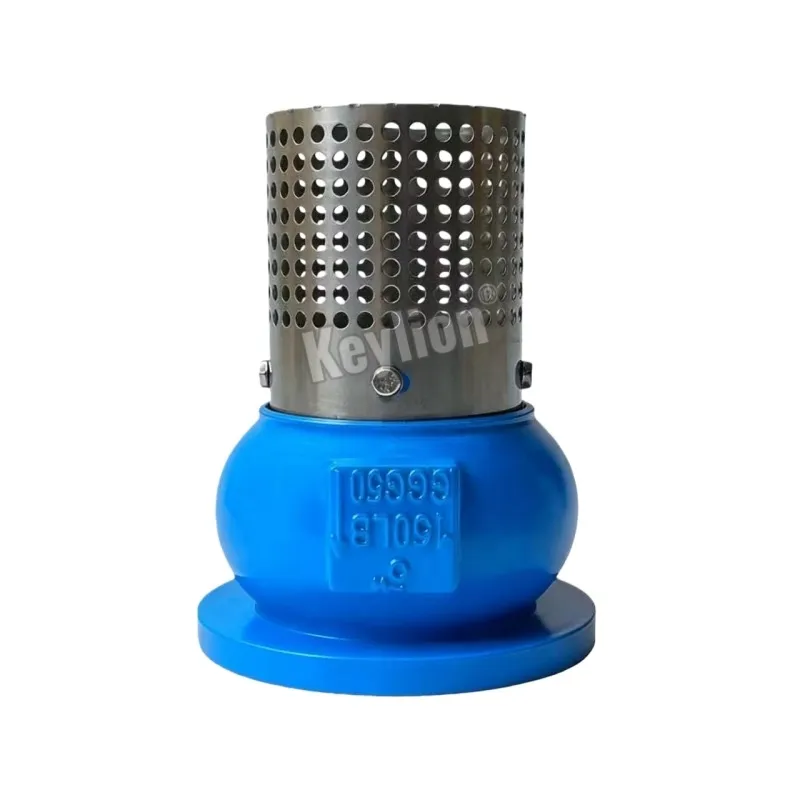
Foot Valve Flange Type: Serving as the critical entry point for fluid intake systems, our ductile iron bottom valve is indispensable for reliable pump operation. Positioned at the lowest point of the suction line within the source liquid, its core function is two-fold: 1) To permit unimpeded fluid entry during pump suction, and 2) To act as a one-way gate, sealing tightly upon pump shutdown to prevent backflow and loss of prime. This simple yet vital mechanism ensures pump efficiency and longevity. Constructed from corrosion-resistant ductile iron for strength and durability, it's the foundational component for dependable water or fluid transfer across countless applications, including irrigation, dewatering, industrial processes, and fire water storage.
Product Parameter
Product Name:Foot Valve Flange Type
Main Material: Ductile Iron Body,SS304 Strainer
Size:2Inch,2.5Inch,3Inch,4Inch,5Inch,6Inch,8Inch,10Inch,12Inch
Pressure Rating:PN10/PN16/PN25
Working Medium:Water/Sewage
Color:Blue/Red
Flange End: ANSI /GB /BS Standard
Temperature Range:0℃-80℃
Product Material
Body:Ductile Iron,QT450-10
Strainer:Stainless Steel 304
Stem:Stainless Steel 304
Disc:Ductile Iron covered by EPDM
Spring:Stainless Steel 304
Bushing:bronze
FAQ
Q1: How does ductile iron extend the lifespan of a foot valve?
Ductile iron fundamentally enhances valve longevity through three material advantages:
Superior Strength: With 2x the tensile strength of cast iron, it resists cracking under hydraulic shock or accidental impact during installation.
Corrosion Defense: The graphite microstructure forms a protective barrier, slowing rust formation even in mineral-rich water.
Fatigue Resistance: Handles repeated pressure cycles (e.g., pump starts/stops) without metal fatigue.
This translates to 15-20+ years of service in harsh environments like saltwater intakes or high-sediment wells – reducing replacement costs by 60% vs. plastic alternatives.
Q2: What maintenance does a ductile iron foot valve require?
It's designed for minimal upkeep:
Strainer Cleaning: Inspect every 3-6 months in dirty water sources (ponds, rivers); rinse debris from the basket.
Seal Check: Monitor for leaks at threaded/flanged connections annually; replace O-rings if worn.
Corrosion Inspection: In aggressive environments (seawater, chemicals), check epoxy coating integrity every 2 years.
Unlike plastic valves prone to UV degradation or metal fatigue, ductile iron needs no structural replacements – only occasional internal part swaps after 5-7 years.
Q3: Why is filtration part of the foot valve design?
Combining filtration with backflow prevention is fundamental to pump intake protection. Installing the strainer directly at the water source inlet ensures debris is captured before it enters the suction pipe. This integrated approach safeguards the entire suction line and pump, simplifies installation, and provides essential defense where contamination risk is highest.
Q4:Is there a minimum purchase quantity for your products?
While bulk orders align with our factory production model, we make exceptions for engineering orders where smaller quantities are permissible.
Hot Tags: foot valve flange type, China foot valve flange type manufacturers, suppliers, factory
Previous
4 Inch Foot Valve StrainerNext
No InformationYou Might Also Like



Send Inquiry