
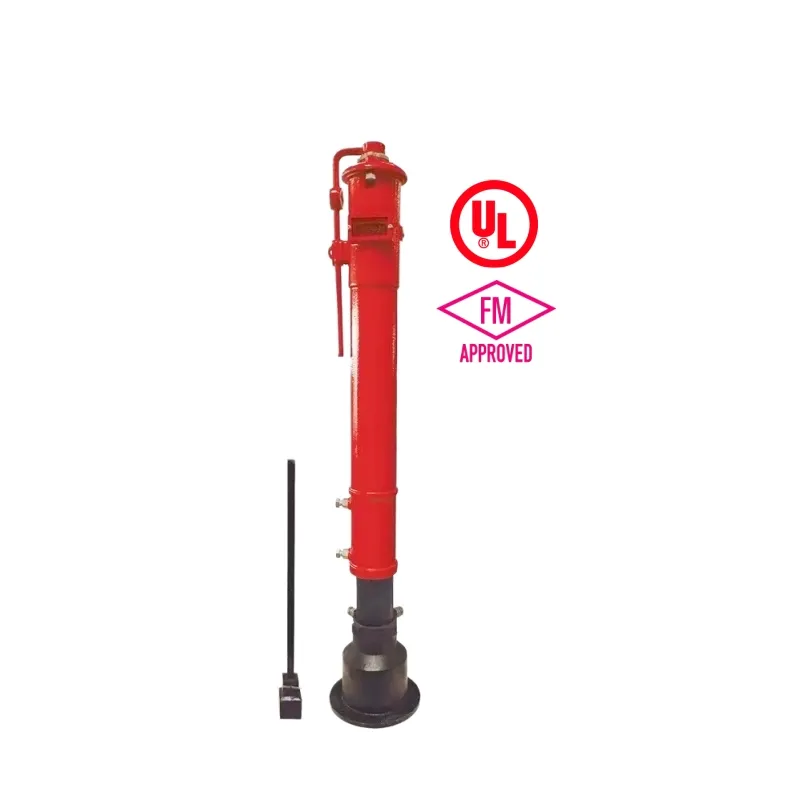
When you pass by a commercial building or industrial site, you've probably noticed a bright red pole sticking out of the ground. That's a Post Indicator Valve (PIV)-far more than just a metal pipe. It's the unsung hero of fire safety and municipal water systems, built to solve a common problem: how to control and check a buried valve without digging it up.
What Is a PIV, Exactly?
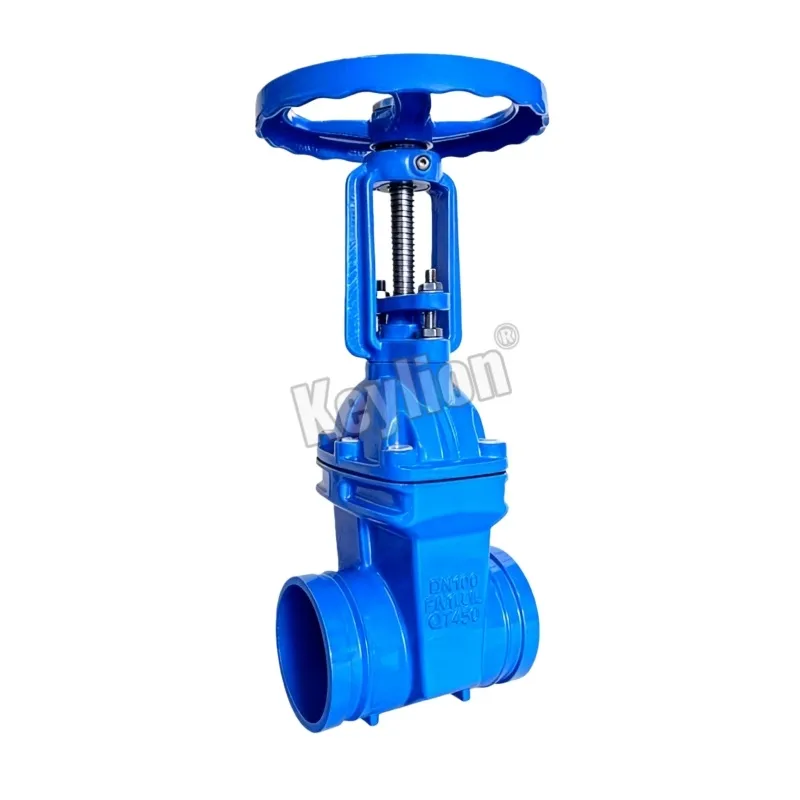
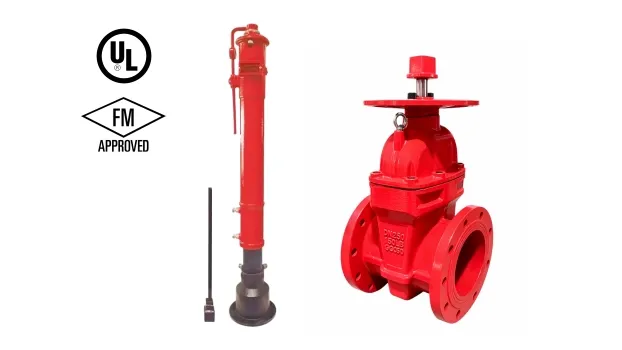
A PIV is a two-part system made for underground use. The core is a buried gate valve that controls water flow. Connected to it is a vertical indicator post that sits above ground. Inside the post, a stem links directly to the valve, so turning the top of the post turns the valve itself. The post also has a clear window that instantly shows whether the valve is "OPEN" or "SHUT."
This design is standard for fire sprinklers, standpipes, and water mains where the main valve is out of sight. Most PIVs are UL/FM approved, built tough for both daily use and emergencies.
Why Use a PIV Instead of a Regular Buried Valve?
Buried gate valves work well, but they have one major flaw: once underground, you can't see their status or operate them without excavation. In a fire emergency, firefighters don't have time to dig up the line to turn on water.
A PIV fixes this with three key benefits:
Instant Status Check
The indicator window shows open/closed status at a glance, no guesswork needed.
Ground-Level Operation
No digging or special tools required. Just turn the top cap to open or close the valve.
Built-In Tamper Protection
Most PIVs are lockable, preventing unauthorized people from shutting off critical fire water supply.
How It Works in Real Life
For routine maintenance, facility teams can walk the site, check each PIV's status, and cycle the valve if needed to prevent it from seizing. No major shutdowns or excavation-just quick, simple checks.
In an emergency, the PIV becomes even more vital. Firefighters can spot it from the street, confirm the water line is open, or adjust it before connecting hoses to the sprinkler system. That speed can make a huge difference in how quickly they respond to a fire.
Final Thoughts
A PIV may look simple, but it's the backbone of reliable fire safety and water system design. It turns a hidden, hard-to-reach buried valve into something visible, accessible, and dependable-whether you're doing routine checks or responding to an emergency. For any commercial or industrial site with underground water lines, a properly installed and maintained PIV isn't just a nice-to-have-it's essential for safety and peace of mind.