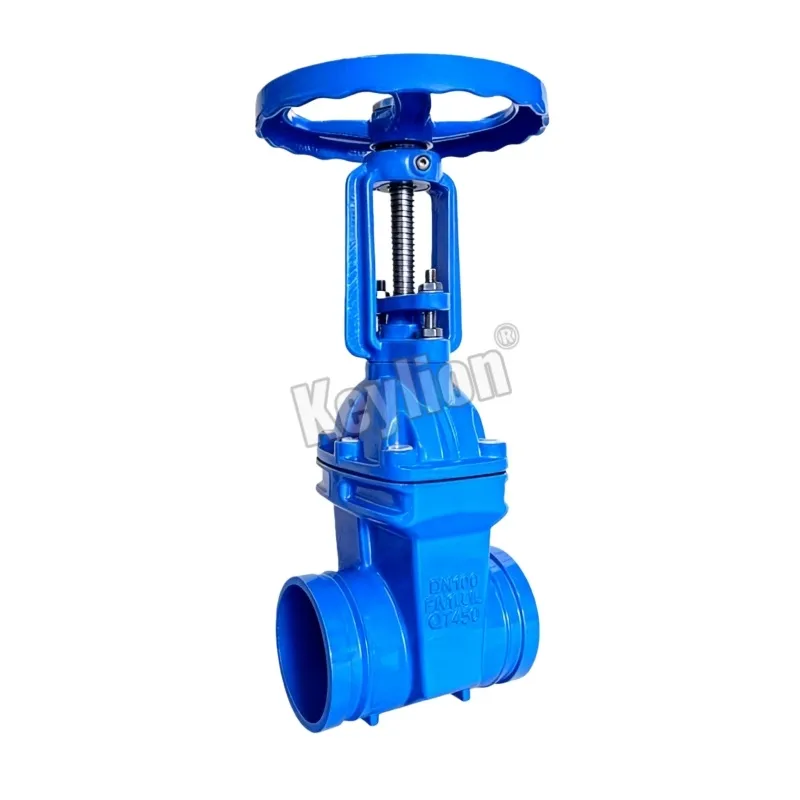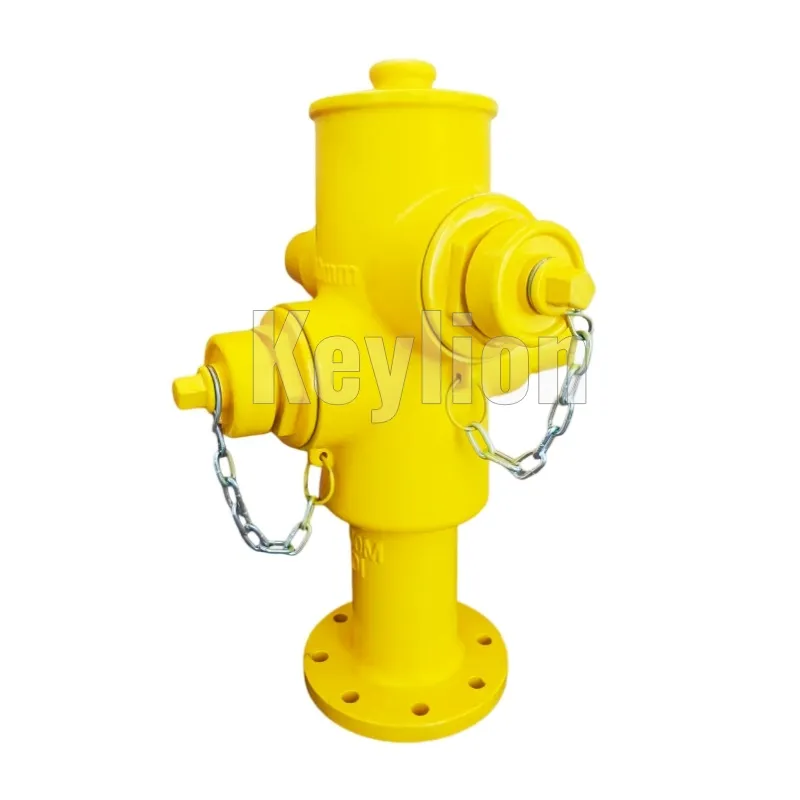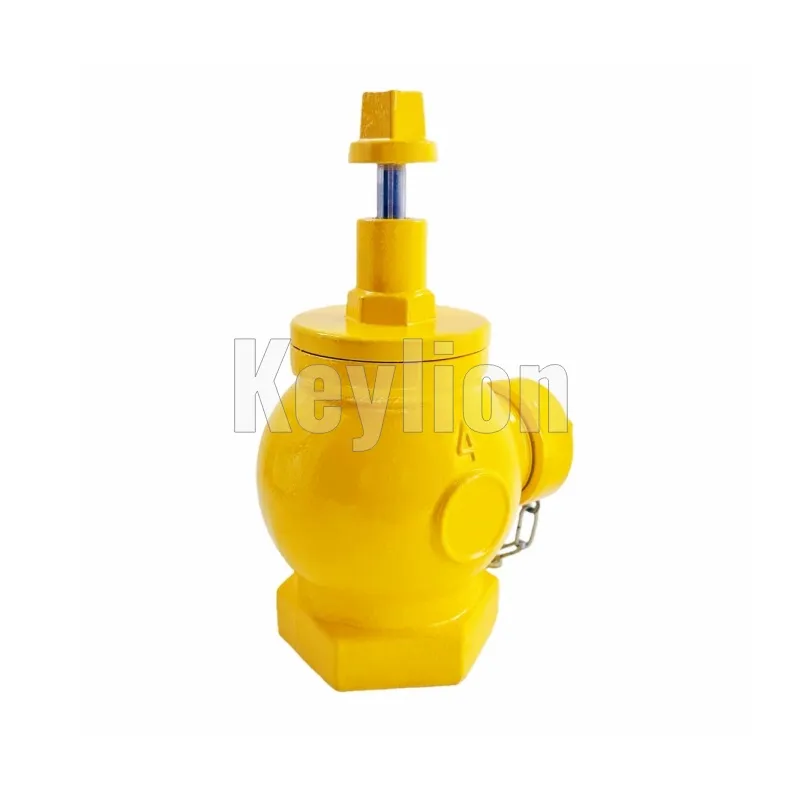

Every water pipeline system, big or small, relies on simple yet powerful parts to stay stable and functional. If you've ever dealt with pipeline air locks, unexpected pressure spikes, or even pipe collapsing issues, you already know how much trouble trapped air inside pipelines can cause. This is exactly where a combination air release valve comes into play.
Often underestimated and rarely noticed, the combination air release valve is one of the most essential fittings for all water supply, wastewater, irrigation, and industrial piping projects. It handles multiple air management tasks all in one compact valve body, helping pipelines run safely, smoothly, and without unnecessary damage year after year.
The Basics: What Is a Combination Air Release Valve Used For?
A combination air release valve, also widely known as a dual orifice air valve, combines two core functions into a single valve unit. Instead of installing separate air vacuum valves and small air release valves at pipeline high points, you only need one combination valve to get both jobs done perfectly.
First, it works as a large air and vacuum valve. Whenever a pipeline is newly filled, restarted after repair work, or drained for maintenance, massive amounts of air need to move in or out quickly. The large main orifice inside the combination valve allows fast air discharge during pipeline filling, preventing pressure surges that can break pipes or damage water pumps. When pipelines lose pressure or get drained, the same opening lets air back into the pipe to avoid vacuum pressure, which is the main cause of pipe deformation and water column separation.
Second, it acts as a continuous small air release valve during daily pipeline operation. Even after pipelines are fully filled with water, tiny air bubbles still form constantly. These bubbles come from dissolved gas inside the water, minor system temperature changes, and normal pipeline operation over time. If these small air pockets keep building up at pipeline high points, they slow down water flow, reduce pump working efficiency, and easily create dangerous water hammer effects. The precision small orifice on the combination valve automatically exhausts these small air bubbles steadily, keeping internal pressure balanced and pipeline flow stable all the time.
Simply put, a combination air release valve replaces two separate valves, simplifies pipeline design, and provides full air control for all water and wastewater systems.
How a Combination Air Release Valve Works in Real Pipelines
These valves run automatically using buoyancy and pressure changes, no power needed.
Pipeline Start-Up
The large orifice lets trapped air escape fast as water fills the line. The float then seals the opening to stop leaks.
Normal Operation
Small air bubbles lower the water level, opening the tiny exhaust orifice. Air escapes, the float reseals, and the cycle repeats automatically.
Shutdown/Pressure Loss
The float drops fully, reopening the large orifice to let air in, preventing vacuum collapse or pipe damage.

Why Use a Combination Air Release Valve Instead of Separate Valves?
Many pipeline builders and maintenance teams wonder whether it's better to install two single-function air valves or just one combination air release valve. In actual field use, combination valves always bring clear practical advantages.
Saves Cost and Installation Space
Using one combination valve instead of two cuts product cost, labor, and installation time. With only one flange connection, it also reduces potential leak points, bringing obvious savings for large pipeline networks.
Provides More Reliable Pipeline Protection
Unlike two separate valves that may leave the pipeline unprotected if one fails, combination air release valves integrate air exhaust and vacuum protection in one body, lowering risks of water hammer, pressure surges, and pipe damage.
Simple Maintenance and Long Service Life
Combination air release valves have fewer total parts and fewer failure points. Most models use basic float working structures that do not easily wear down or get blocked. For municipal water projects and remote industrial pipelines, this means fewer maintenance visits and much less system downtime.
Common Applications

Wastewater and sewage transmission pipelines
Agricultural and landscape irrigation systems
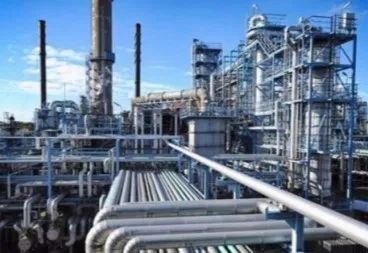
Industrial process piping for factories and power plants
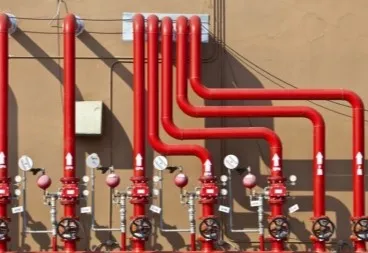
Fire protection water pipeline networks
Important Features to Check Before Buying a Combination Air Release Valve
Not all combination air release valves offer the same quality and performance. When purchasing for your pipeline project, always focus on these key factors:
■ Valve Material: Ductile iron is the most common choice for standard water pipelines, offering strong structure and good corrosion resistance. For chemical or harsh working environments, choose stainless steel or epoxy coated models.
■ Pressure Rating: Always match the valve PN rating such as PN10 or PN16 with your pipeline working pressure to avoid pressure overload damage.
■ Valve Size: Choose the correct DN size according to your pipe diameter. Too small affects air exhaust speed; too large causes unnecessary flow turbulence.
■ Anti-Clog Structure: For sewage and dirty water pipelines, select combination valves with built-in stainless steel screens to prevent sediment and debris from blocking the exhaust orifices.
Conclusion
A combination air release valve may look small and simple, but it plays a critical role in keeping all types of water pipelines safe, stable, and efficient. It solves air lock problems, prevents pipe damage, reduces maintenance work, and extends the whole pipeline system service life.
For any pipeline engineer, project buyer, or maintenance manager, choosing a high-quality combination air release valve is always one of the best investments for long-term pipeline safety and stable operation.