
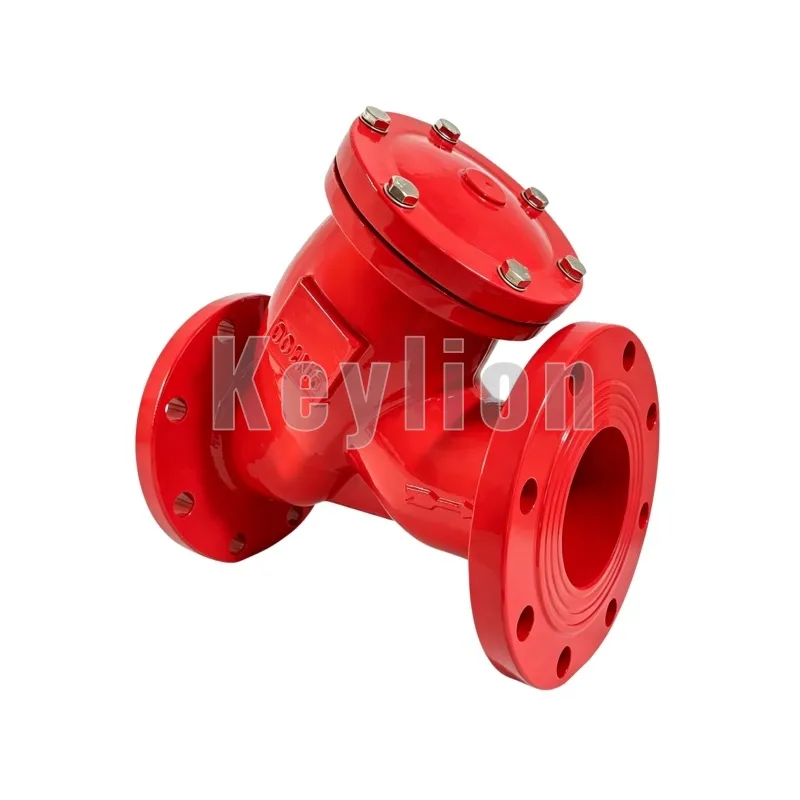
If you work with water pipes, pumps, or valves, you've probably seen a Y strainer sitting inline-small but mighty. Unlike fancy filters that take up space, Y strainers are the unsung heroes of most fluid systems. They don't flash any lights or make loud noises, but they stop big trouble before it starts: protecting your equipment from gunk, rust, and debris that would otherwise grind things to a halt. Let's break down what they're for, where they shine, and why you'd pick one over other filters.
🛡️ Core Job: Protect Downstream Equipment
The number one use for a Y strainer is shielding sensitive gear from damage. Here's how it works: when fluid flows through the pipe, it picks up gunk-like pipe rust, weld slag, sand, or bits from installation. The Y shape funnels that messy fluid through a stainless steel mesh screen. The gunk gets trapped inside the screen, and clean fluid passes through to your equipment.
Think about the stuff you don't want hitting your pumps, valves, or meters: tiny metal shavings from a new pump, sand in a well water system, or even plastic bits from a pipe cut. A Y strainer stops all that before it reaches the business end of your system. Without it, you're looking at worn-out seals, jammed valves, or a pump that burns out early-all fixable with a Y strainer that costs a fraction of a new pump.
Why Choose a Y Strainer Over Other Filters?
What makes Y strainers a go-to for so many pros? Let's keep it real-no fancy jargon here:
Tough and affordable:They're built with cast iron or ductile iron, coated to resist rust, and cost way less than complex filters. For most water systems, they're the best value.
Easy to clean: No need to take the whole thing out of the pipe. Just open the bottom drain or remove the cover, rinse the screen, and you're done. Most people can do it in 10 minutes with a wrench.
Fits anywhere: The Y shape is compact. It works in tight spaces where bigger filters (like basket strainers) won't fit. You can install it horizontally or vertically-just make sure the arrow on the body matches the flow direction.
Low pressure drop: Their streamlined design means they don't slow down your fluid much. You won't lose pressure or flow, which is huge for pumps and systems that need consistent performance.
Quick Tips for Using Y Strainers
A Y strainer only works if you install and maintain it right. Here are the basics I tell every new user:
Install it before the equipment: Put it on the inlet side of pumps, valves, or sprinklers-never after. You want to filter before the fluid reaches your gear.
Check the mesh size: For water systems, 20–100 mesh is standard. Dirtier water (like well water) needs a coarser mesh (20–30) to catch more gunk; cleaner water can use a finer mesh (40–100) for better filtration.
Clean it regularly: If you notice pressure dropping or flow slowing down, the screen is plugged. For normal water systems, check every 6 months. If you're in a dusty or sandy area, check every 1–3 months.
Use the right materials: For saltwater or corrosive water, get a 316 stainless steel screen instead of 304. It won't rust as fast.
Wrapping Up
Y strainers aren't glamorous, but they're essential. They keep your pipes, pumps, and valves running smoothly without breaking the bank. Whether you're fixing a fire sprinkler line, maintaining an HVAC system, or setting up an irrigation job, a Y strainer is the first line of defense against debris.
If you're new to them, start with a standard 150 LB flanged Y strainer in DN50–DN200 sizes. They're in stock, easy to install, and will save you from costly repairs down the line. And remember-when in doubt, put a Y strainer before your most important equipment. It's a small investment that pays for itself over and over