
If you work with fluid piping systems-industrial process pipelines, commercial plumbing, steam lines, gas transmission or water circulation systems-you've definitely dealt with y strainer. As someone who's been in pipeline accessory selection and on-site application for years, I find many people know this filter fitting but don't fully grasp its actual working mechanism. Today I'll explain how a y strainer works in plain, practical terms, no fancy technical jargon, just real industry know-how.
What is a Y strainer
First, let's define it clearly: A Y type strainer (also called wye strainer) is a compact inline mechanical pipeline filter, named for its signature Y-shaped valve body. It's the most commonly used pipeline impurity removal component, designed to catch solid contaminants-rust flakes, pipe scale, sand, welding slag, thread tape scraps-in flowing liquids, steam or gas, and protect critical downstream equipment: control valves, water pumps, flow meters, heat exchangers, steam traps, pressure regulators and other precision pipeline parts from abrasion, clogging and damage.
Working Principle of a Y Strainer
The y strainer runs on physical filtration, no external power needed, and its operation is stable and efficient. Here's the full working process based on actual on-site use:
1. Fluid Enters the Strainer Body
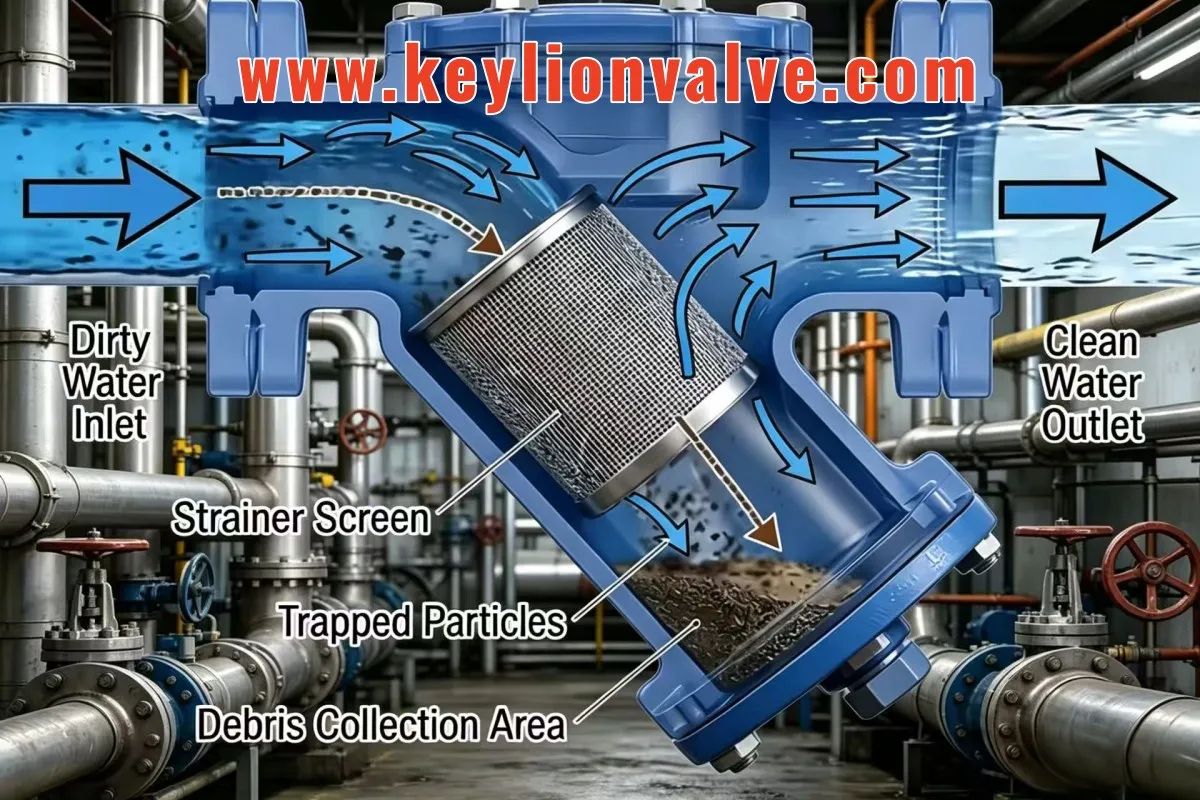
Medium (water, oil, steam, compressed air, chemical liquid) mixed with solid impurities flows into the y strainer from the upstream pipeline via the inlet. The Y-shaped structure naturally guides the fluid smoothly to the internal filter element, avoiding excessive turbulence and unnecessary pressure loss in the pipeline.
2. Core Filtration: Impurity Interception
This is the key function of the y strainer: the fluid passes through the built-in stainless steel filter screen or perforated filter plate. The screen has precise, uniform openings-only clean fluid smaller than the aperture can pass through, while all solid particles larger than the mesh size are trapped on the inner wall of the screen.
Common filtration accuracy for y strainers includes 20 mesh, 50 mesh, 80 mesh, 100 mesh, 150 mesh, which can be matched with coarse impurity removal or fine particle filtration demands of different pipelines.
3. Impurity Settlement & Storage
Trapped impurities won't block the main flow path. Driven by fluid flow and gravity, they settle into the inclined filter leg (the lower branch of the Y-shape) and accumulate here. This design delays screen clogging, keeping the pipeline system running continuously without frequent maintenance.
4. Clean Fluid Flows to Downstream
After being filtered by the y strainer, purified fluid flows out from the outlet and into downstream pipelines and equipment, ensuring no harmful impurities damage precision components. The Y-shaped structure also minimizes pressure drop, so it won't affect the normal flow rate and working pressure of the entire piping system.
5. Routine Maintenance: Impurity Cleaning
After long-term operation, accumulated impurities will block the filter screen and cause pressure drop rise. At this point, simple maintenance is enough: most y strainers come with a blow-down valve or removable end cover. You can open the blow-down valve to flush out impurities directly using pipeline pressure (no system shutdown required), or take out the filter screen for cleaning/replacement, then reinstall it to restore full filtration performance.
Common Applications of Y Strainers
Thanks to its reliable performance, the y type strainer is widely used in almost all fluid transmission industries:

Steam Pipeline Systems
Filters scale and impurities to protect steam traps and pressure control valves

Water Supply & Circulation Systems
Removes rust, sand and scale from tap water, cooling water and wastewater
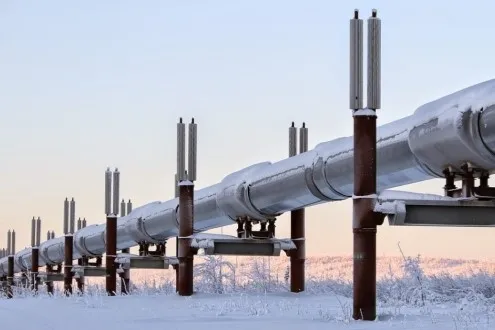
Chemical & Petroleum Pipelines
Filters solid impurities in chemical solvents, oil and crude oil
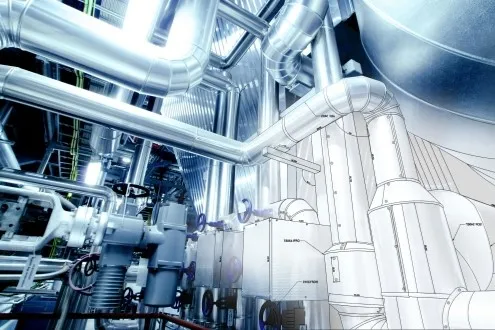
Compressed Air & Gas Systems
Purifies gas media to protect pneumatic equipment

Food & Pharmaceutical Pipelines
Sanitary-grade stainless steel y strainers ensure medium hygiene
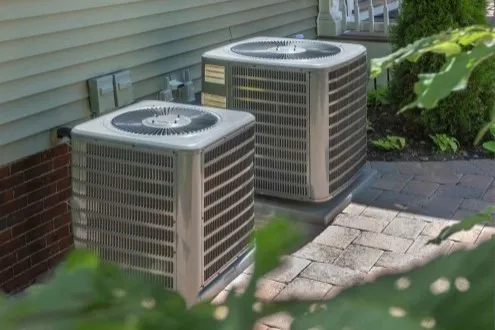
HVAC & Heating Systems
Prevents impurities from clogging heat exchangers and control valves
Advantages of Y Strainer
From on-site usage experience, y strainer outperforms other pipeline filters in many ways:
1. Compact size, suitable for horizontal and vertical pipeline installation, saves installation space;
2. Low pressure loss, no impact on normal fluid transmission efficiency;
3. Super easy maintenance, fast cleaning and screen replacement;
4. Wide working condition adaptability, works with high-temperature, high-pressure, corrosive media;
5. Cost-effective, long service life, stable filtration in long-term use.

Simply put, the working principle of a y strainer is straightforward: use a precision filter screen to block solid impurities in fluid, collect contaminants through its unique Y-shaped structure, and keep downstream equipment protected. For any piping system that needs reliable impurity removal, a properly selected y strainer is a low-cost, high-efficiency solution that reduces equipment wear, cuts maintenance downtime and saves overall operating costs.
When choosing a y strainer, just confirm three key points: pipeline medium type, working pressure & temperature, and required filtration accuracy, and you'll get the perfect fit for your project.