
If you've ever wondered why your home's water pressure stays consistent even when the municipal supply fluctuates, or how fire sprinkler systems maintain safe, reliable pressure across an entire building, you're already familiar with the work of pressure reducing valves (PRVs). These unsung heroes of fluid control systems are critical for protecting pipes, appliances, and equipment from damage caused by excessive pressure, while ensuring consistent performance for end users.
But one of the most common questions we hear from contractors, facility managers, and DIY enthusiasts alike is: where are pressure reducing valves located? The answer isn't one-size-fits-all-it depends entirely on the system, application, and local building codes. In this guide, we'll break down PRV locations across residential, commercial, fire protection, and industrial settings, explain why each placement matters, and share key installation best practices to keep your system running smoothly.
What Is an Adjustable Pressure Reducing Valve?
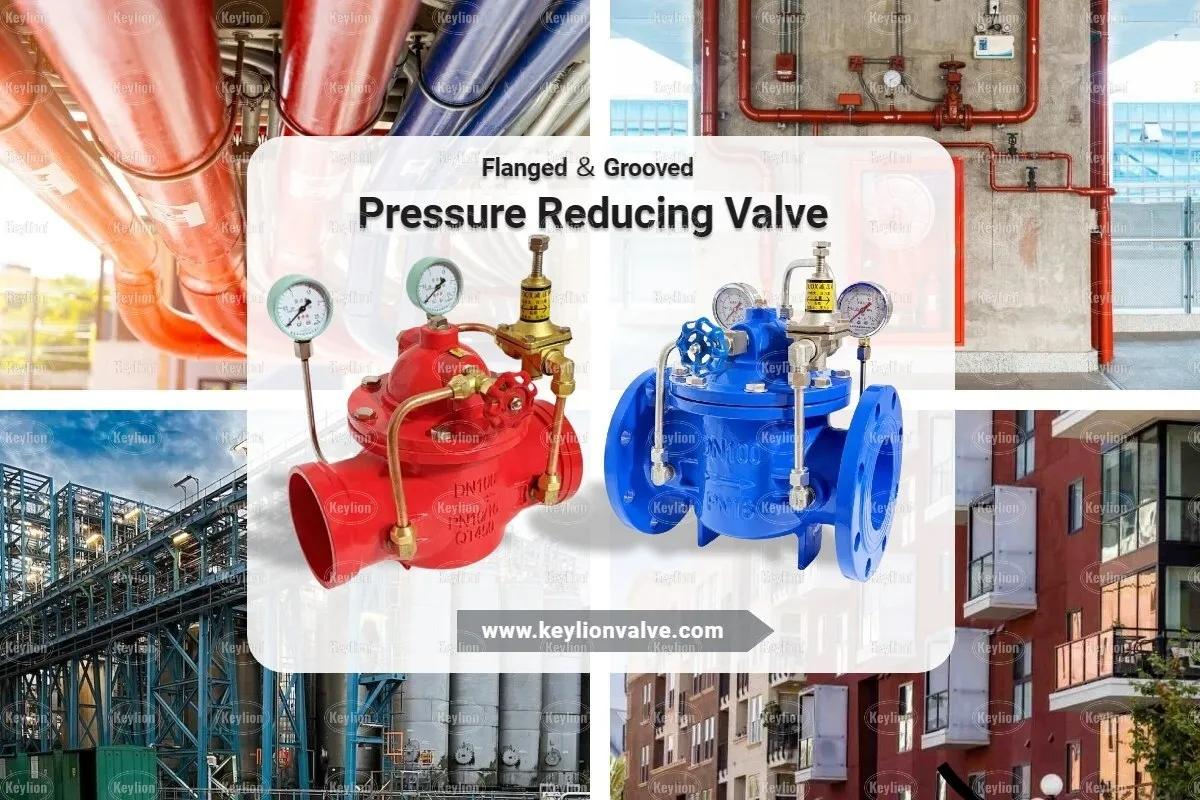
Before covering the installation locations, we will briefly explain the function of pressure reducing valves. A PRV is an automatic control valve that automatically adjusts and stabilizes high inlet fluid pressure to a preset low outlet pressure. It adjusts its opening in real time through a diaphragm, spring and pilot structure, automatically compensating for changes in upstream pressure or downstream flow fluctuations.
Pressure reducing valves are widely used in various fluid systems, and their main functions are as follows:
• Prevent pipe bursts, leaks and water hammer
• Protect precise plumbing fixtures, household appliances and industrial equipment
• Provide stable water pressure for end users
• Meet building codes and safety standards (such as NFPA 13 for fire protection systems)
PRV Locations in Residential Plumbing Systems
Residential pressure reducing valves are widely used, and their positions follow industry standards to protect the whole plumbing system.
Main Water Supply Line
The main PRV is installed on the main incoming water line, after the water meter and before branch lines. It reduces high municipal pressure (80–150 PSI) to a safe 40–60 PSI for the whole house. It is often placed in basements, garages or utility rooms with pressure gauges for easy monitoring.
Point-of-Use Fixtures
Small PRVs can be fitted near pressure-sensitive household equipment such as sinks, water purifiers and tankless water heaters. They protect sensitive appliances from sudden pressure spikes and extend the service life of plumbing fixtures.
Outdoor Water Installations
PRVs are also used on outdoor faucets, garden hoses and irrigation systems. They lower water pressure to a suitable level for outdoor use and avoid damage to sprinklers, pipes and other gardening equipment.
Well Water Supply Systems
For homes with private well systems, PRVs are installed after pressure tanks and pressure switches. They stabilize unstable well water pressure to a constant 40–50 PSI and protect pumps and internal pipelines from damage.
Where Are Pressure Reducing Valves Located in Commercial & Industrial Systems?
Commercial and industrial systems have far more complex pressure requirements, so PRV placement is tailored to the specific application and system design.
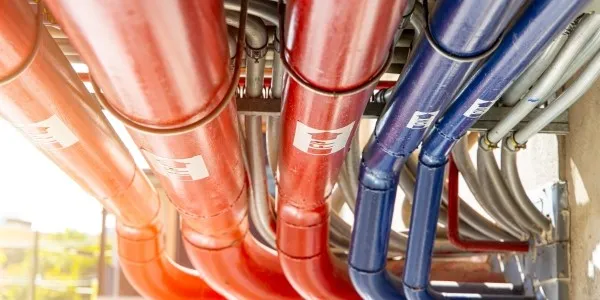
Commercial Building Main Water Lines
Like residential systems, commercial buildings (offices, retail spaces, schools) use PRVs on the main water supply line, immediately after the water meter. However, commercial PRVs are larger, higher-flow models (often 200X or 300X series, like the flanged PRV in our product line) to handle the higher volume of water needed for multiple tenants, restrooms, and commercial appliances.
Fire Protection Systems (Critical Placement)
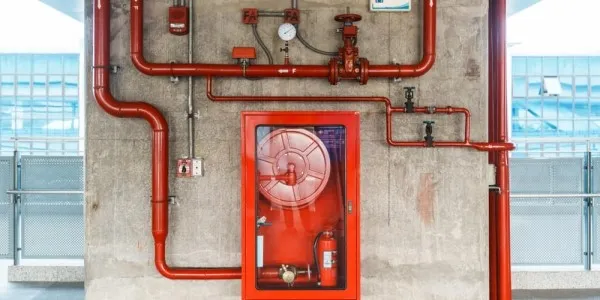
Fire protection systems including sprinklers, standpipes and fire hydrants use pressure reducing valves to maintain safe pressure levels, with locations governed by NFPA standards.
• Main fire line PRVs: Installed on the building fire main right after the backflow preventer to lower municipal water pressure to a safe level for sprinklers, usually no more than 150 PSI.
• Zone PRVs: Used in high-rises, large buildings and warehouses on each floor or zone to offset gravity and maintain steady pressure throughout the sprinkler system.
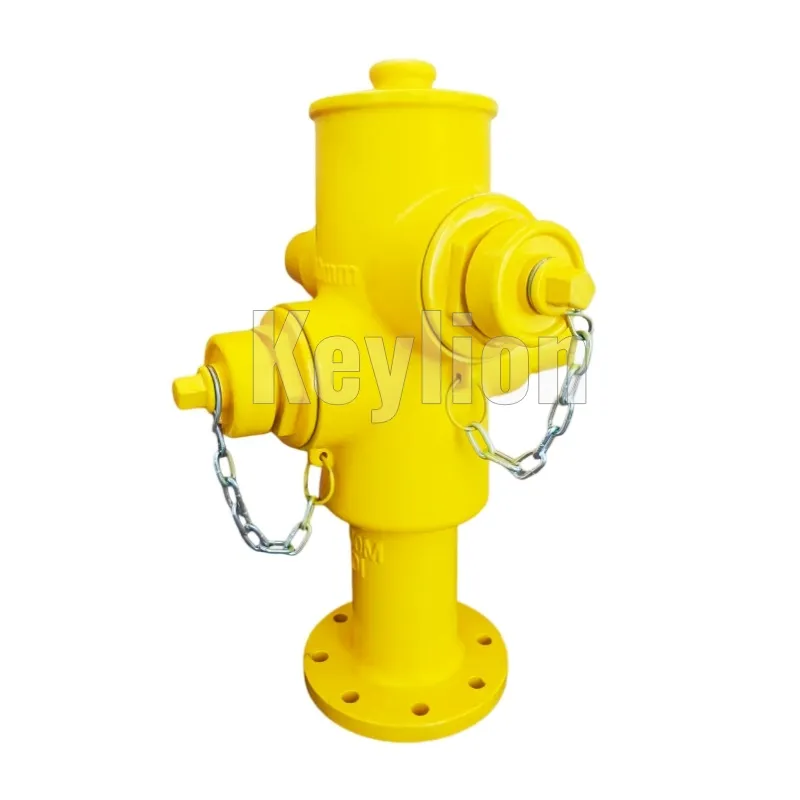
• Fire hydrant systems: PRVs are commonly fitted at hydrant inlets to reduce pressure for safe firefighting operations and protect hoses and equipment.
Industrial Process Systems
In industrial manufacturing and chemical processing, PRVs are installed at key points to control pressure safely:
• After pressure vessels and pumps: To lower high pressure for downstream valves, sensors and mixers.
• At equipment inlets: To protect machinery, boilers, heat exchangers and filters from overpressure.
• In compressed air systems: Used at compressors, air tanks and usage points to stabilize pressure.
• In steam systems: Fitted at boiler outlets and steam lines for safe heating and production.

Multi-Unit Residential Buildings (Apartments, Condos)
In multi-unit buildings, PRVs are placed at two key locations:
• Building main line: To reduce municipal supply pressure for the entire building.
• Individual unit inlets: Smaller PRVs are often installed at each apartment's water line to ensure consistent pressure for every unit, preventing pressure imbalances between upper and lower floors.
Key Factors That Determine PRV Location

Common PRV Installation Mistakes to Avoid
Even if you choose the right location, poor installation can render a PRV ineffective. Here are the most common mistakes to avoid:
1. Installing the PRV backwards: PRVs have a directional flow arrow (marked on the valve body, like on our 200X PRVs) and must be installed with flow in the correct direction. Installing backwards will cause the valve to fail.
2. Skipping isolation valves: Isolation valves are required to shut off flow for maintenance. Skipping them means you'll have to shut down the entire system to service the PRV.
3. Placing the PRV too far from the water meter: This can cause pressure fluctuations in the lines between the meter and PRV, defeating the valve's purpose.
4. Ignoring thermal expansion: In closed plumbing systems, thermal expansion can cause pressure spikes. Always install an expansion tank after the PRV to protect the system.
5. Failing to test after installation: After installing a PRV, always test inlet and outlet pressure with a gauge to ensure it's set correctly.
How to Locate an Existing PRV in Your System
How to Find Existing Pressure Reducing Valves
1. Start at the main water line: Trace the main water line from where it enters the home/building, immediately after the water meter. The PRV will be a bell-shaped or globe-shaped valve with a adjustment screw on top, often paired with pressure gauges.
2. Check utility areas: Look in basements, crawl spaces, garages, utility closets, or mechanical rooms near the main line.
3. Look for pressure gauges: Most PRVs (especially commercial and fire protection models) have inlet and outlet pressure gauges, making them easy to spot.
4. Consult building blueprints: If you can't find it, check the building's plumbing blueprints, which will mark the PRV location.
Conclusion
Conclusion
Pressure reducing valves are critical components of nearly every fluid system, and their location is key to their performance, reliability, and compliance with safety standards. Whether you're installing a PRV in a residential home, a commercial fire sprinkler system, or an industrial process line, the core rule is simple: place the PRV as close to the source of high pressure as possible, in an accessible location, and in compliance with local codes.
At our company, we specialize in high-quality 200X and 300X series pressure reducing valves for residential, commercial, and fire protection applications, designed for easy installation, reliable performance, and long service life. If you have questions about PRV placement, selection, or installation, our team of fluid control experts is here to help.