






Fire Hydrant in The Philippines
Product Introduction1

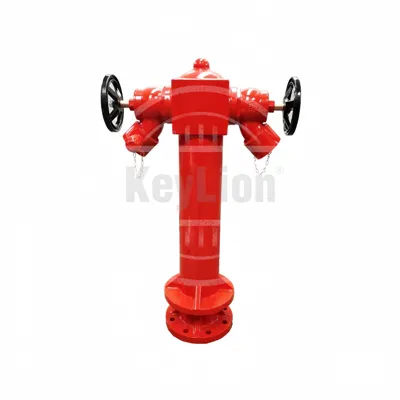
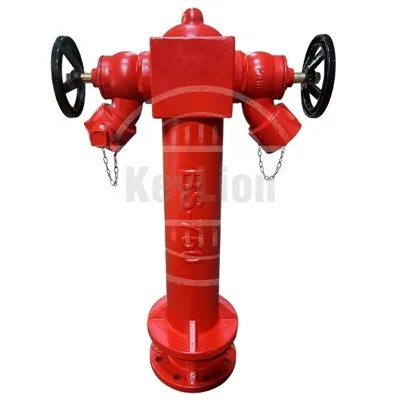
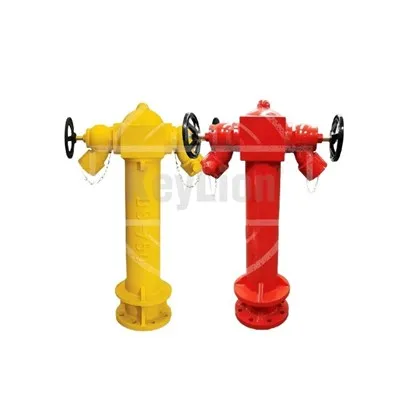
Outdoor Fire Protection Hydrants designed to American specifications offer reliable performance for Philippine public safety needs. These wet barrel models maintain permanent water pressure with independent gate valves for each discharge outlet, enabling simultaneous hose connection and precise flow control. The heavy-duty construction features protective coatings that resist rust and degradation in coastal environments. Perfect for municipal water systems, these hydrants provide dependable service for urban fire departments, industrial facilities, and developing infrastructure projects nationwide, ensuring community safety through all weather conditions.
Product Parameter
|
Product Name |
Wet Barrel Fire Hydrant In the Philippines |
|
Body Material |
Cast Iron |
|
Inlet Type |
Flanged |
|
Inlet |
6 Inch /DN150 |
|
Outlets |
3×2.5 Inch NH Thread |
|
Way Of Outlet |
3 Way |
|
Working Pressure |
16 Bar |
|
Temperature |
-10℃ to 80 ℃ |
|
Color |
Yellow |
Product Characteristics
- Instant Pressure Technology: Maintains constant water pressure for immediate deployment, eliminating operational delays during emergencies through its pre-charged water reservoir system.
- Tropical Resilience Construction: Utilizes multi-layer protective coatings and stainless steel components specifically formulated to withstand prolonged exposure to high humidity, salty air, and intense sunlight.
- Precision Flow Management: Incorporates independent quarter-turn valves for each discharge outlet, enabling firefighters to control multiple hose lines simultaneously with precise pressure regulation.
- Enhanced Visibility Design: Features high-visibility coloring and retroreflective markings that ensure quick location and identification during nighttime operations and low-visibility conditions.
Installation Procedure
- Site Evaluation: Conduct thorough ground assessment to determine optimal placement, ensuring compliance with local spacing regulations and accessibility requirements for emergency vehicles.
- Foundation Preparation: Install reinforced concrete footing with proper drainage gradient, then connect main supply line using corrosion-resistant couplings and pressure-rated fittings.
- Assembly Integration: Mount hydrant onto prepared base, securing with anchor bolts before backfilling with drainage aggregate to prevent water accumulation around critical components.
- Commissioning Protocol: Perform comprehensive pressure testing and flow capacity verification while documenting all performance metrics for municipal compliance records and maintenance tracking.
Implementation Environments
- Urban Infrastructure: Deployed along metropolitan thoroughfares, residential zones, and public spaces where reliable fire protection infrastructure supports community safety initiatives.
- Industrial Protection: Essential for manufacturing complexes, petroleum facilities, and chemical plants where rapid fire suppression capabilities are crucial for risk mitigation.
- Transportation Networks: Critical for airport perimeters, seaport terminals, and railway stations where regulatory mandates require certified fire protection systems.
- Development Projects: Specified by engineering firms for new commercial developments, industrial parks, and public works projects requiring certified fire safety infrastructure.
FAQ
Q: Where is this hydrant typically installed in Philippine communities?
A: It's ideal for municipal water systems along city streets, industrial parks, commercial districts, and residential areas. Specific applications include ports, airports, power plants, and developing infrastructure projects where reliable fire protection is essential for public safety and asset protection.
Q: How often does this hydrant require maintenance?
A: We recommend quarterly visual inspections and annual operational checks. The hydrant's design allows for easy maintenance with accessible internal components. Regular testing should include flow checks, pressure verification, and ensuring all outlets operate smoothly. Maintenance kits with replacement parts are readily available.
Hot Tags: fire hydrant in the philippines, China fire hydrant in the philippines manufacturers, suppliers, factory
You Might Also Like

Send Inquiry